
AI Search Brief
← Back to calendar

Tuesday, October 13, 2026

6 articles

Google Adds Experimental Soft Navigation Metrics To CrUX
Search Engine Journal·Oct 13, 2026
Important

Google Adds Experimental Soft Navigation Metrics To CrUX

Key Takeaways

  • Experimental soft navigation metrics are now live in CrUX, capturing performance data for SPAs that don't trigger full page reloads
  • Most traditional multi-page sites will see minimal impact; SPA-heavy sites can expect higher pass rates on Core Web Vitals
  • Stable Core Web Vitals scores remain unchanged; Search Console will switch to the new metrics after a targeted May 2027 graduation date
  • This addresses a long-standing gap where SPAs appeared to have better performance than they actually delivered to users

Why it matters: SPA-heavy sites (React, Vue, Angular apps) have historically shown artificially inflated Core Web Vitals scores because soft navigations weren't counted. Once Search Console switches in May 2027, these sites may see their reported performance drop, requiring optimization work. SEO practitioners managing SPA properties should begin auditing soft navigation performance now to prepare for the transition.

Core Web VitalsChrome UX ReportSingle-Page AppsSearch Console

Google Adds Gemini 4 Argon To AI Mode For Pro & Ultra Subscribers
Search Engine Journal·Oct 13, 2026
Good to Know

Google Adds Gemini 4 Argon To AI Mode For Pro & Ultra Subscribers

Key Takeaways

  • Gemini 4 Argon is now available in AI Mode's model menu for paid subscribers (Pro and Ultra tiers)
  • Google claims Argon performs better on multi-step tasks and follow-up instructions
  • The model is also being rolled out to developers, enterprises, and the standalone Gemini app
  • Paid-account testers can access the new model variable in AI Mode starting immediately

Why it matters: For SEO and AI-search professionals, this expands the capability of Google's AI Mode with a more advanced model that handles complex, iterative queries better—relevant for those using AI Mode for research, content analysis, or competitive intelligence. The broader availability to developers and enterprises signals Google's push to integrate Gemini deeper into search and business workflows.

Gemini 4 ArgonAI ModeGoogle AIModel Updates
Test Like A Scientist: 6 Mistakes That Undermine Your SEO Experiments
Search Engine Journal·Oct 13, 2026
General

Test Like A Scientist: 6 Mistakes That Undermine Your SEO Experiments

Key Takeaways

  • SEO testing is widespread but often lacks scientific rigor in design and analysis
  • Common mistakes undermine the validity of experiment results and lead to unreliable conclusions
  • Applying scientific thinking to SEO experiments improves decision-making reliability
  • The article covers testing methodology across multiple SEO areas including titles, internal linking, content formats, and templates

Why it matters: SEO professionals frequently run tests to validate changes, but flawed experimental design can lead to false conclusions that waste resources or damage site performance. Understanding these mistakes helps practitioners design more rigorous tests, interpret results correctly, and make data-driven decisions with greater confidence.

SEO TestingExperimental DesignScientific MethodData Analysis
Lost In Translation: How Language Changes Which Brand AI Recommends
Search Engine Journal·Oct 13, 2026
Important

Lost In Translation: How Language Changes Which Brand AI Recommends

Key Takeaways

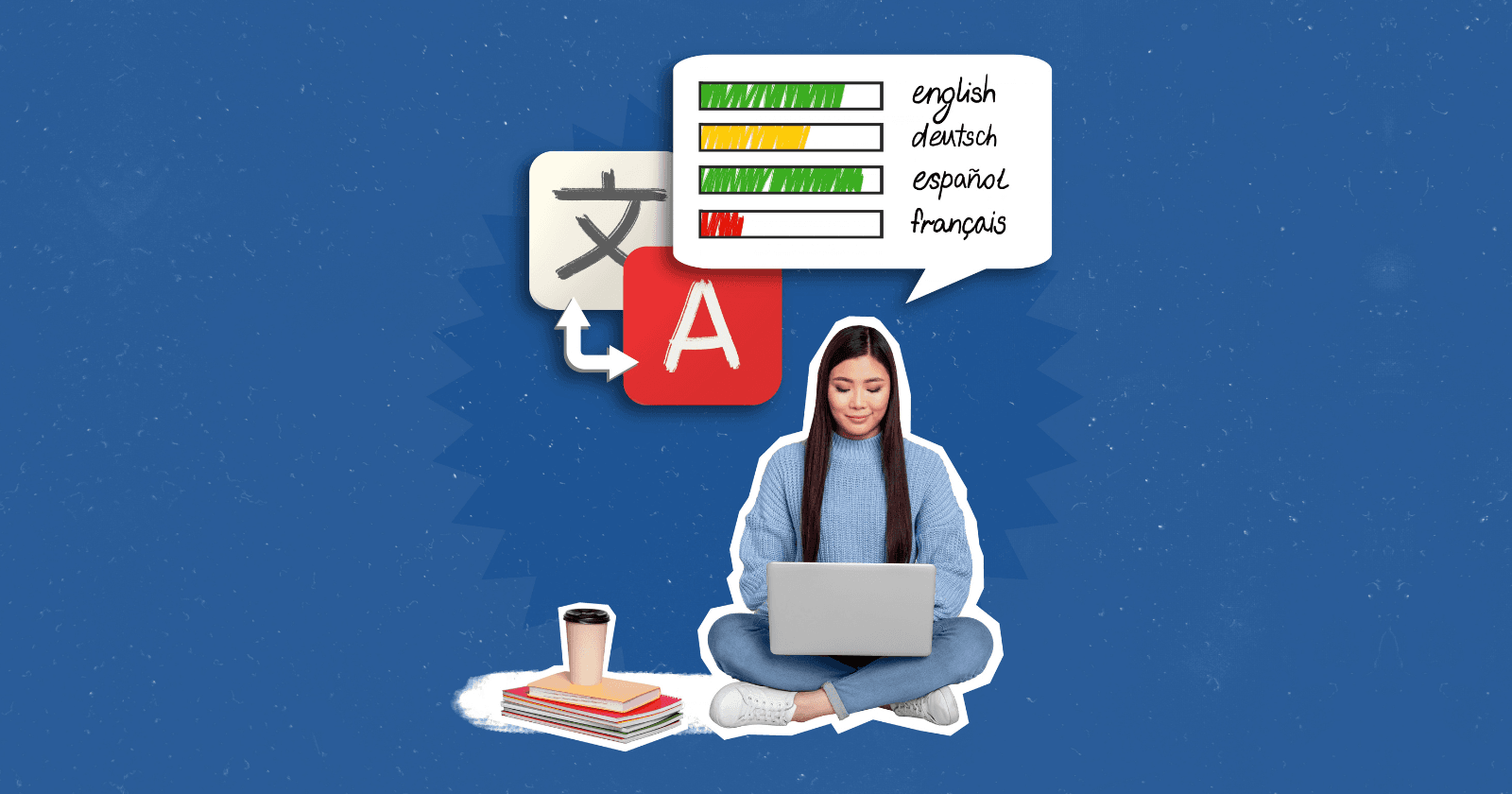
  • AI brand recommendations vary substantially across languages—the same query in English, Spanish, French, German, and Portuguese produces different brand winners
  • English-only AI visibility checks miss critical visibility gaps in non-English markets where your brand may rank lower or disappear entirely
  • Language-specific content quality, local market dynamics, and training data representation affect which brands AI systems surface in different languages
  • Brands operating internationally need multilingual AI visibility audits, not just English-language monitoring
  • This gap creates competitive risk: competitors may dominate AI recommendations in languages where your brand is underrepresented

Why it matters: For SEO and AI-search professionals managing international brands, this reveals a blind spot in standard visibility tracking. If you're only auditing English-language AI responses, you're missing how your brand performs in markets where your customers actually search. Multilingual AI visibility is now a competitive necessity, not a nice-to-have.

AI RecommendationsMultilingual SEOAI VisibilityInternational SearchBrand Visibility
Google Says Why Site Migrations Can Exceed 4 Months
Search Engine Journal·Oct 13, 2026
Important

Google Says Why Site Migrations Can Exceed 4 Months

Key Takeaways

  • Google may continue crawling the old site during migration, consuming crawl budget that should go to the new site
  • The migration timeline can exceed 4 months if Google prioritizes the old domain over the new one
  • John Mueller identified a Search Console setting that can help redirect crawl budget to the new site more efficiently
  • Proper configuration in Search Console can help end the uncertainty and speed up migration completion

Why it matters: Site migrations are a critical SEO task, and understanding why they stall—and how to fix it via Search Console settings—can save months of lost visibility and traffic. Practitioners managing migrations should review their Search Console configuration to ensure Google prioritizes crawling the new site.

Site MigrationsSearch ConsoleCrawl BudgetGoogle Guidance
AI Search for the Procurement Professional
iPullRank·Oct 13, 2026
Good to Know

AI Search for the Procurement Professional

Key Takeaways

  • AI Search is mediated by machines that select sources and write answers instead of ranking links; being 'retrieved' (pulled into the answer-building process) is different from being 'ranked' or 'cited,' and each rung up the ladder requires more effort.
  • Traditional SEO (crawlability, speed, structure, links) is still required for eligibility but no longer sufficient; AI systems now evaluate your entire content ecosystem—owned media (your site), earned media (press, reviews, analyst coverage), and shared media (Reddit, YouTube, LinkedIn)—as one body of evidence.
  • Optimization spans six buckets: research (real AI prompts), owned media technical readiness, owned media content (rewritten for machine extraction), earned media (digital PR), shared media (community work), and measurement (tracking citations and brand description, not just clicks).
  • Enterprise AI Search work requires cross-functional coordination across product marketing, legal, comms, customer success, engineering, and IT; a vendor's ability to orchestrate this across departments is a key differentiator.
  • The market is immature (three years old, no standards or certification), most vendors simply rebranded existing services, and measurement approaches are inconsistent across tools—making vendor comparison difficult.

Why it matters: Procurement teams and marketing leaders need to understand that AI Search is a brand-visibility channel, not a ranking channel, and that optimizing for it requires coordination across PR, content, product marketing, and technical teams—not just SEO. Evaluating vendors requires asking how they handle cross-functional work and whether they measure citations and brand description, not just traffic. The shift from 'eligibility' to 'selection' means your entire online reputation ecosystem now matters, not just your website.

AI SearchAI OverviewsRelevance EngineeringEnterprise SEOVendor Evaluation

Never lose a story.

Sign in to save it for later.