

AI Search Brief
← Back to calendar

Wednesday, October 7, 2026

8 articles

ChatGPT Gets GPT-6 And Intelligent UI For Interactive Answers
Search Engine Journal·Oct 7, 2026
Important

ChatGPT Gets GPT-6 And Intelligent UI For Interactive Answers

Key Takeaways

  • GPT-6 is now available in ChatGPT with Intelligent UI that combines text, visuals, charts, and interactive tools in responses
  • Rollout timeline: Plus, Pro, Business, and Enterprise users get access first; Free and Go users start tomorrow
  • ChatGPT can now begin answering before finishing its thinking process, including on web search queries
  • Intelligent UI enables more dynamic, interactive answer formats beyond plain text

Why it matters: For SEO and AI-search professionals, this represents a significant shift in how ChatGPT surfaces information—moving from text-only to rich, interactive responses. This could affect how content is discovered and consumed through ChatGPT, potentially changing visibility strategies for sites competing in AI-search results. The ability to embed interactive tools and visuals directly in answers may create new opportunities and challenges for content optimization.

ChatGPTGPT-6AI SearchIntelligent UI
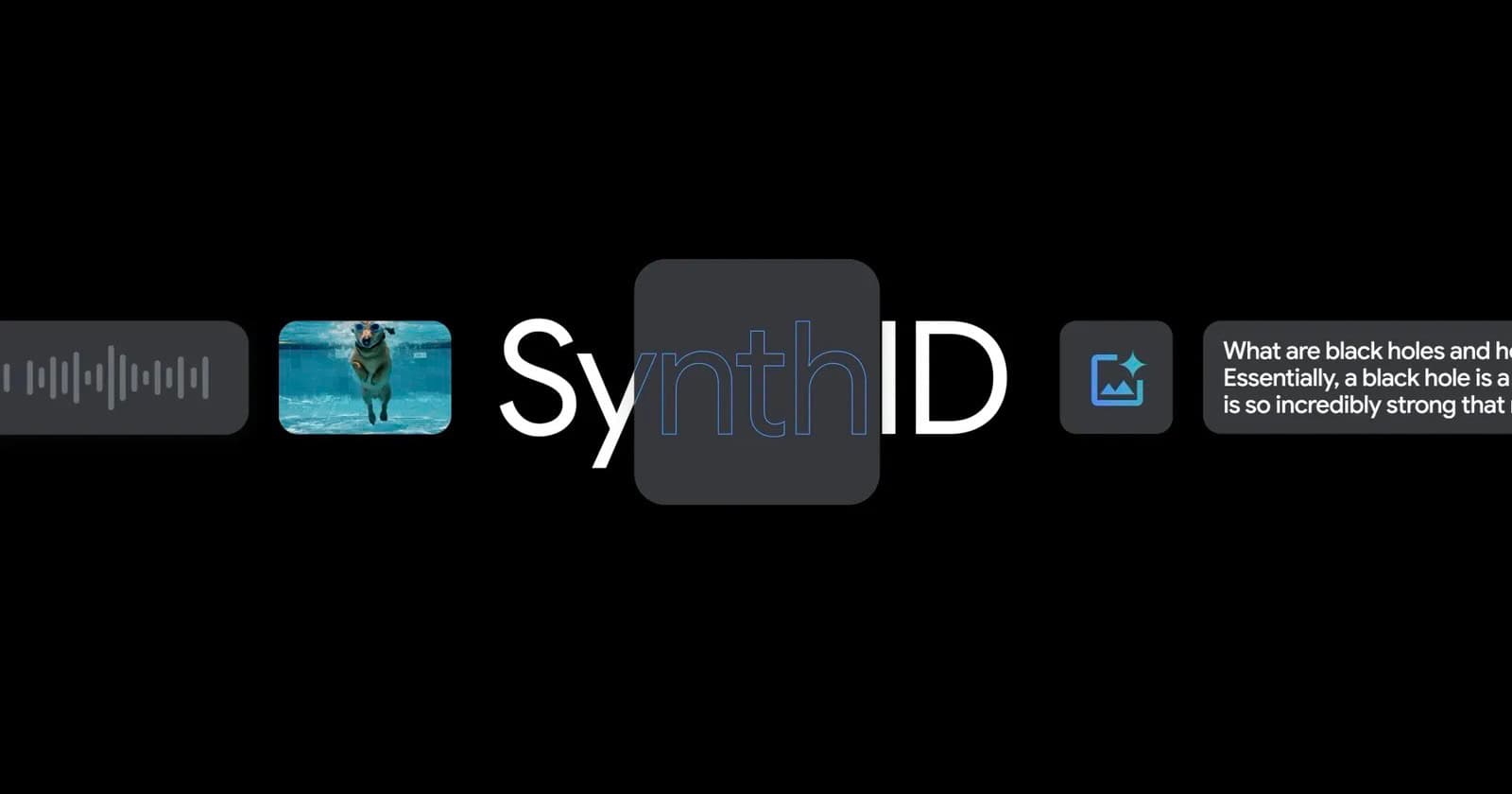
Google Opens Its SynthID Watermark Detector To The Public
Search Engine Journal·Oct 7, 2026
Good to Know

Google Opens Its SynthID Watermark Detector To The Public

Key Takeaways

  • SynthID Detector is now open to the public worldwide in English
  • The tool detects watermarks in images, video, and audio from Google and partner AI tools
  • Users can verify whether supported AI tools created or edited media files
  • This addresses growing concerns about AI-generated content authenticity and provenance

Why it matters: For SEO and content professionals, this tool provides a way to verify AI-generated content authenticity and detect manipulated media. As AI-generated content becomes more prevalent in search results and content strategies, having a public detection mechanism helps establish trust signals and supports efforts to identify synthetic media in competitive analysis or content auditing.

SynthIDAI DetectionContent AuthenticityGoogle Tools
Why Legacy PPC Account Structures Are Sabotaging Your Smart Bidding Strategy
Search Engine Journal·Oct 7, 2026
Good to Know

Why Legacy PPC Account Structures Are Sabotaging Your Smart Bidding Strategy

Key Takeaways

  • Redundant campaigns fragment conversion data, weakening Smart Bidding's machine learning models
  • Consolidation of duplicate campaigns strengthens signal quality without sacrificing business-critical campaign splits
  • Account structure directly impacts Smart Bidding effectiveness—architecture is not just organizational but a performance lever
  • Preserve splits that protect margins and business goals while eliminating redundancy that dilutes conversion signals

Why it matters: PPC managers using legacy structures are handicapping their Smart Bidding performance by spreading conversion data too thin. Restructuring accounts to eliminate redundancy while keeping necessary splits can improve bid optimization and ROI without requiring new tools or budget.

Smart BiddingPPC Account StructureGoogle AdsConversion SignalsCampaign Consolidation
Prediction: The Next Massive Google Update Is Around The Corner
Search Engine Journal·Oct 7, 2026
Good to Know

Prediction: The Next Massive Google Update Is Around The Corner

Key Takeaways

  • Google has publicly signaled in writing its intent to penalize scaled AI content, fake authors, and GEO tactics used to manipulate AI answers
  • The article frames this as part of a recurring cycle: tactics become popularized, then search engines build systems to stop them
  • The author warns companies to avoid these tactics before a major update hits, drawing on experience with businesses damaged by previous algorithm changes
  • GEO (gaming AI Overviews) is emerging as the new frontier of exploitative optimization tactics, similar to past SEO abuse patterns

Why it matters: If Google confirms and rolls out this update, sites relying on scaled AI content, fake bylines, or GEO tactics face potential visibility loss. SEO and content teams need to audit their strategies now to avoid being caught in the next major penalty wave, especially as AI Overviews become more prominent in search results.

Google UpdatesAI ContentGEO TacticsAlgorithm Prediction
AI Search Is Changing Your Website’s Job, Here’s How To Adapt
Search Engine Journal·Oct 7, 2026
Good to Know

AI Search Is Changing Your Website’s Job, Here’s How To Adapt

Key Takeaways

  • Websites are shifting from traffic-generation tools to information sources that AI systems rely on to understand and describe businesses accurately
  • AI assistants can now complete customer transactions (booking, purchasing) without users visiting the business website
  • Traditional metrics like rankings and clicks no longer capture the full picture of website value in an AI-search environment
  • Websites remain authoritative sources even when customer journeys occur elsewhere, making data accuracy critical for AI systems
  • Businesses need to measure success beyond traffic, focusing on whether AI systems can accurately represent their offerings

Why it matters: SEO and content professionals need to reframe success metrics and optimization priorities. Instead of optimizing purely for clicks and rankings, they must ensure AI systems have accurate, structured data about their business to enable conversions that happen off-site. This fundamentally changes how to measure ROI and what content strategy should prioritize.

AI SearchWebsite StrategyAI AssistantsMeasurementData Accuracy
The Business Case For SEO Is Changing; Budget Justifications Should Too
Search Engine Journal·Oct 7, 2026
Good to Know

The Business Case For SEO Is Changing; Budget Justifications Should Too

Key Takeaways

  • Traditional organic traffic metrics alone are insufficient to justify SEO budgets in organizations increasingly focused on AI-driven discovery channels.
  • The same technical SEO work (accessibility, content architecture, product information retrieval) can be reframed under different budget categories (GEO vs. organic) with dramatically different perceived value to executives.
  • Effective SEO budget proposals should articulate four distinct business cases: revenue growth, revenue protection, shared infrastructure investment, and AI experimentation.
  • Rebranding SEO work as 'generative engine optimization' without addressing the underlying budget justification problem is a superficial fix that masks organizational misalignment.
  • CFOs and executives need to understand that SEO investments protect existing organic revenue while enabling visibility across emerging AI platforms, not just drive incremental traffic.

Why it matters: SEO practitioners and in-house teams face increasing pressure to justify budgets as organic traffic declines and AI search grows. Understanding how to frame SEO work across multiple business value drivers—not just traffic—is critical to securing funding and organizational buy-in. Practitioners who can articulate revenue protection, infrastructure benefits, and AI readiness alongside growth metrics will be better positioned to defend and expand SEO investment.

SEO Budget JustificationGenerative Engine OptimizationAI SearchOrganic Traffic MetricsExecutive Alignment
WordPress Releases Canonical MCP Adapter Plugin
Search Engine Journal·Oct 7, 2026
Good to Know

WordPress Releases Canonical MCP Adapter Plugin

Key Takeaways

  • WordPress released a canonical MCP Adapter plugin for official AI-WordPress integration
  • The plugin gives developers a standardized method to connect AI systems to WordPress
  • This is positioned as the official way to integrate AI with WordPress, reducing fragmentation from multiple third-party solutions

Why it matters: For WordPress site owners and developers, this official integration pathway simplifies connecting AI tools to WordPress content and functionality, reducing reliance on unofficial adapters and potentially improving compatibility and security. SEO professionals managing WordPress sites should monitor this as a way to enable AI-powered content tools and integrations that could affect content strategy and site capabilities.

WordPressMCP ProtocolAI IntegrationDeveloper Tools
Google’s Search Antitrust Ruling: What Advertisers Should Check Next
Search Engine Journal·Oct 7, 2026
Good to Know

Google’s Search Antitrust Ruling: What Advertisers Should Check Next

Key Takeaways

  • The article is sponsored by Silver Arbitration Law and written by an arbitration expert, not an independent analysis
  • Focuses on explaining court findings regarding Google auction changes and their timing
  • Discusses how advertisers can establish whether antitrust findings apply to their specific accounts
  • Addresses rising CPCs as a potential consequence of the auction changes named in the ruling
  • Mentions potential recovery of up to 3x amounts paid in hidden costs for affected advertisers

Why it matters: Advertisers running Google Search campaigns should understand the antitrust ruling's specific findings on auction mechanics and whether their account history qualifies for potential recovery claims. This is particularly relevant for those experiencing unexplained CPC increases or seeking to understand the legal basis for cost disputes.

Google AntitrustPPCAuction MechanicsAdvertiser Recovery

Never lose a story.

Sign in to save it for later.